

Building Good Habits: A Foundation for a Balanced Life
Habits are immensely powerful. They shape who we are and influence our happiness, health and balance in life.
We often let willpower and motivation determine actions: when motivated, we exercise, work hard and practise discipline. As motivation fades and temptation tests willpower, procrastination follows. Once good habits form, decisions and actions depend much less on motivation or willpower.
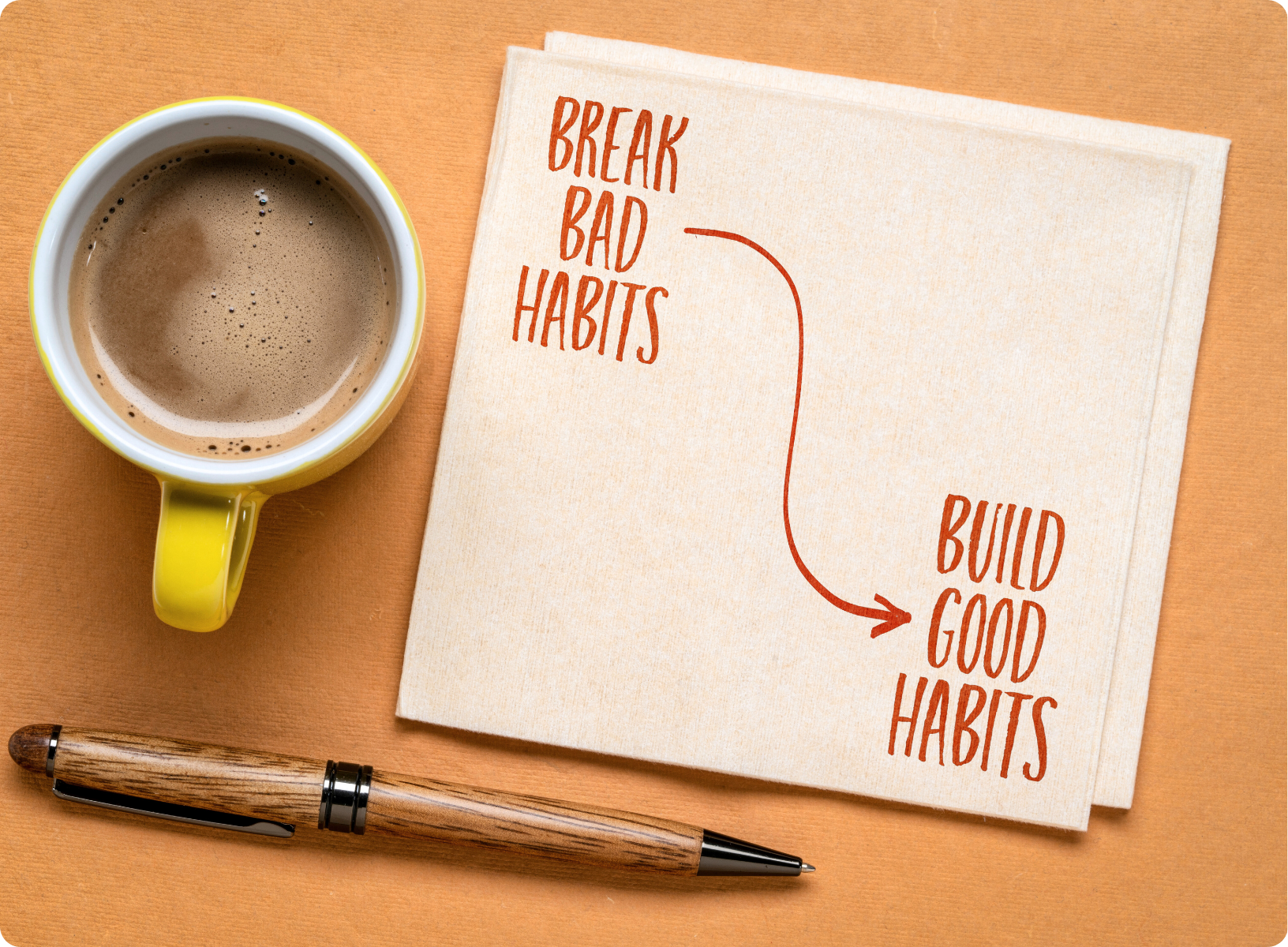
Positive habits offer a wonderful opportunity for personal growth. Changing life may seem enormous, but dividing it into smaller parts makes it manageable. Recognising supportive habits and those hindering progress enables positive change.
Good habits take effort and time. Dr Lisa Marsch, a behaviour-change specialist at Dartmouth College, emphasises: ‘The first step is becoming aware of what you do regularly. Look for patterns in your behaviour and what triggers the unhealthy habits you want to change.’
Explore effective ways to break bad habits, build good ones and move towards your best self with Me&We.
Understand Habits
Habits are automatically repeated behaviours. University College London research suggests an average of 66 days to form a new habit, varying with complexity and commitment. Habits requiring less effort are easier to establish.
Replacing snack foods with nuts or fruit, for example, is simpler than stopping snacking altogether.
Make a Plan
Good habits require a specific, realistic plan.
Replace vague goals such as ‘exercise regularly’ with measurable ones: ‘exercise for 30 minutes three times a week’ or ‘read ten pages daily’. Specific goals help track progress, measure improvement and reduce overwhelm.

Start with small goals to sustain motivation. Actions requiring more effort than you are ready to give can lead to discouragement. Increase goals gradually once comfortable with their frequency and difficulty.
Change one habit at a time. Once it becomes part of life, move to the next; too many simultaneous changes can feel overwhelming.
Plan for obstacles. What could derail your goal or efforts to succeed? How can you maintain healthy choices in unexpected or stressful situations, or when old habits tempt you?
Stay on Your Chosen Path
Maintaining habits is challenging. These approaches can make starting and sustaining them easier:
Remove negative triggers:
Identify people, places and activities that undermine your new habit, then change how you behave around them.
For example:
To reduce coffee, invite friends home or meet for a walk instead of at a café.
Break the Habit into Smaller Actions
Small activities make habits easier to carry out and achieve.
For a daily 20-minute meditation goal, try two ten-minute sessions, morning and evening.
For 1,000 rope jumps, try three sessions of just over 300 instead of all 1,000 together.
Get Back on Track Quickly
Habits depend on regular repetition: consistency, not perfection. A notebook or phone app can track progress, remind you of goals and sustain actions until you achieve them.
Anyone can get off track, and that is fine. Return as quickly as possible afterwards.
Research suggests missing a habit once does not significantly affect long-term progress. Return to your obstacle plan to regain motivation and identify what to do next.
‘Things may not go to plan, and that is all right. Change is a process; what matters most is continuing forward.’
Make the Habit Enjoyable
An enjoyable pursuit encourages greater persistence and achievement. It improves follow-through while turning the goal into a positive experience rather than something dreadful.
Connect the goal to something you enjoy:
Allow yourself a favourite programme while exercising.
Watch a favourite film while eating healthy food.
Be Patient
Patience sustains long-term habits, because not every change produces immediate results.
With a morning-running goal, you may initially manage only five minutes. Patience and repetition gradually increase time and stamina.
Waking early may initially leave you tired and unmotivated. After weeks, the body adjusts to the new rhythm. Patience helps through this stage; established habits require far less willpower or energy.
Seek Support
Support from relationships is important but often overlooked. Share goals with friends, family or a community; they can provide encouragement and motivation.
Research indicates social support can improve health-related behaviours. Joining a group or asking friends for help can support persistence with quitting smoking or regular exercise.
Invite a friend along on your health journey or share goals to receive encouragement. This support helps overcome challenges and maintain direction.
Me&We regularly helps clients replace long-established unhealthy habits with positive ones. For a professional, trustworthy companion to remove obstacles and build effective habits, contact our team here.
Good habits are not only self-improvement but a way of shaping life and the future. Small steps and persistent effort build a better version of yourself. Early difficulties may discourage you, but major change often begins with small changes.